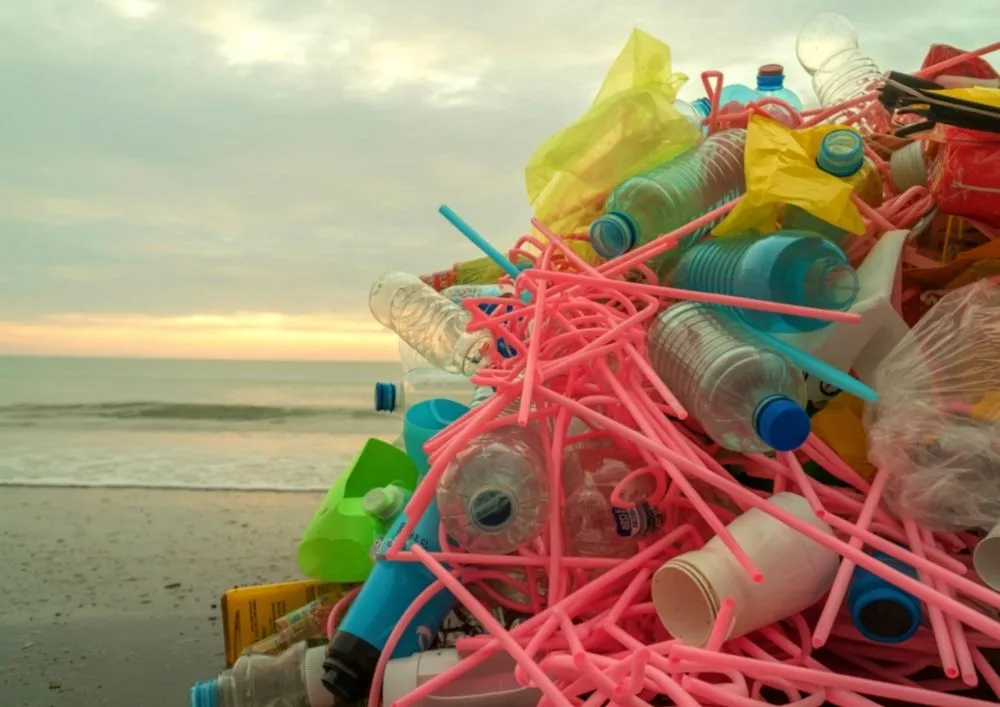
Extended Producer Responsibility (EPR) for Plastic Waste
Extended Producer Responsibility (EPR) for Plastic Waste is a statutory obligation under the
Plastic Waste Management (Amendment) Rules, 2022,
requiring Producers, Importers, Brand Owners (PIBOs), and Plastic Waste Processors to ensure
environmentally responsible management of plastic packaging waste.
Under this framework, businesses must register with CPCB, meet annual collection and recycling targets,
and submit periodic compliance filings to demonstrate responsible plastic waste management.
Simplicomp supports organisations with end-to-end plastic waste EPR compliance,
from registration to annual reporting and target fulfilment.
What is EPR for Plastic Waste?
EPR is a policy mechanism that places responsibility on businesses to manage the
post-consumer plastic waste generated from their packaging materials.
If your organisation manufactures, imports, sells, or uses plastic packaging, you are legally required to :-
Register on the CPCB EPR Portal
Declare plastic packaging quantities
Meet recycling, reuse, and end-of-life targets
File annual and quarterly compliance reports
Maintain agreements with authorised plastic waste processors
Non-compliance may result in penalties, registration suspension, or business restrictions.
Our Company
Who Requires Plastic Waste EPR Registration?
Plastic Waste EPR applies to :-
Producers of plastic packaging
Importers of plastic-packaged goods or packaging materials
Brand Owners selling packaged products
Plastic Waste Processors (PWPs) like recyclers and co-processors.
All eligible entities must register on the Centralised CPCB EPR Portal and
comply with annual plastic waste recovery obligations.
Plastic Packaging Categories Under EPR
Plastic packaging is classified into regulatory categories
Category I – Rigid Plastic Packaging
Includes bottles, containers, crates, and similar rigid plastic products.
Category II – Flexible Plastic Packaging
Includes single-layer or multi-layer flexible packaging made of similar plastic materials.
Category III – Multi-Layered Plastic Packaging
Packaging composed of different plastic and non-plastic layers that are difficult to recycle.
Category IV – Compostable Plastic Packaging
Packaging designed to degrade under certified composting conditions.
Each category has specific collection and recycling targets,
reviewed and notified periodically by CPCB.
Our Plastic Waste EPR Compliance Services
01➜
Eligibility Review & EPR Scope Assessment
We assess your product lines, packaging materials, and regulatory classification to determine EPR applicability.
02➜
CPCB Portal Registration & Documentation
Complete support for registration, document preparation, application filing,
and digital compliance.
03➜
EPR Action Plan & Target Calculation
Preparation of CPCB-compliant EPR plans including
annual plastic waste recovery targets.
04➜
Vendor Sourcing & Processor Agreements
Support in onboarding CPCB-registered recyclers and processors
and structuring compliant agreements.
05➜
Annual Returns & Compliance Reporting
Preparation and submission of quarterly and annual EPR returns,
target tracking, and portal updates.
06➜
Renewals, Amendments & Ongoing Compliance
Support for registration renewals, packaging updates, and regulatory changes.
Industries Requiring Plastic Waste EPR Compliance
Include:
FMCG companies
food packaging
cosmetics
pharmaceuticals
e-commerce packaging
industrial packaging
retail brands
beverage companies
importers
importers
Documents Required for Plastic Waste EPR Registration
Typically required documents include :-
Company PAN & GST Certificate
Certificate of Incorporation / CIN
Authorised Signatory ID & Board Resolution
Plastic Packaging Type & Quantity Declaration
Product & Packaging Details
Manufacturing / Import Licences (if applicable)
Agreements with Waste Processors (if available)
EPR Action Plan & Collection Strategy
Timelines & Validity
Service Component
Processing Time
EPR Registration Timeline :-
Approx 30–45 days
Registration Validity :-
5 years
Compliance Reporting :-
Quarterly & Annual
Target Review :-
Annually by CPCB
Why Choose Simplicomp for Plastic Waste EPR?
Strong expertise in CPCB & MoEFCC waste regulations
Plastic Waste EPR (Extended Producer Responsibility) is a CPCB compliance requirement that makes PIBOs responsible for plastic packaging waste collection and recycling.
Who requires Plastic Waste EPR registration?
Plastic Waste EPR registration is required for Producers, Importers, and Brand Owners (PIBOs) introducing plastic packaging into the Indian market.
What are PIBOs under Plastic Waste Rules?
PIBOs are Producers, Importers, and Brand Owners covered under the Plastic Waste Management Rules and EPR framework.
Is CPCB registration mandatory for plastic packaging?
Yes, CPCB EPR registration is mandatory for eligible PIBOs dealing with plastic packaging under the Plastic Waste Management Rules.
What is the validity of Plastic Waste EPR registration?
Plastic Waste EPR registration issued by CPCB remains valid subject to compliance with Plastic Waste Management Rules, EPR target fulfilment, and timely regulatory updates.
Need Support withPlastic Waste EPR Compliance ?
Speak with our compliance experts to assess EPR applicability, registration requirements, annual targets,
and reporting timelines for your organisation.