


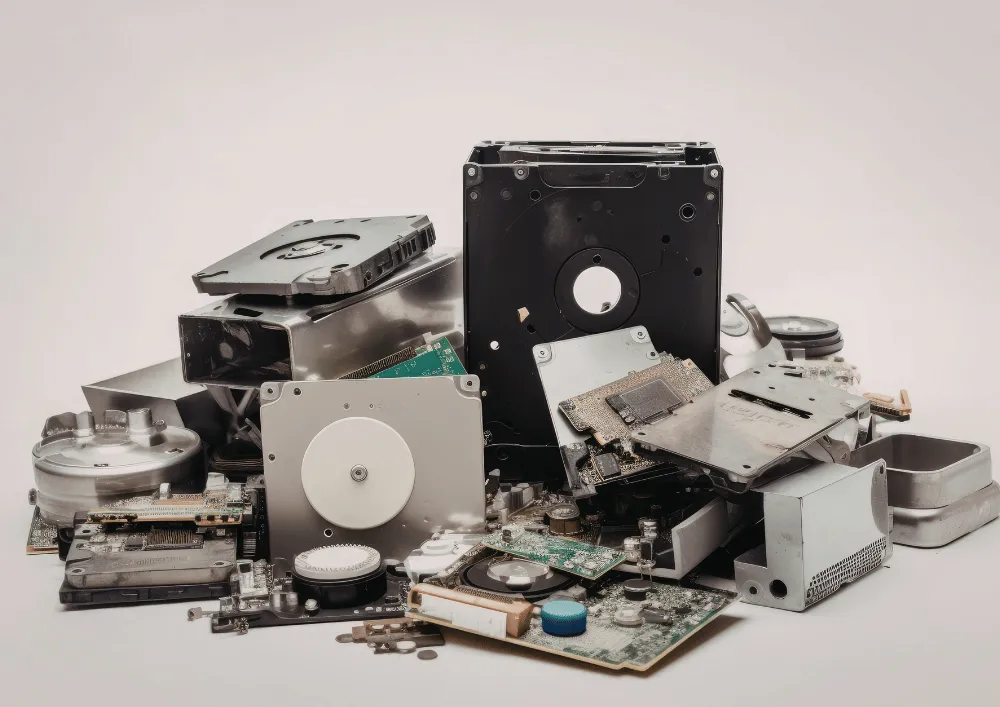
Waste Audit: A Step Towards Responsible Electronic Waste Management
In today’s digital-driven world, electronic devices have become essential in both personal and professional spaces. However, with rapid technological upgrades and shorter product life cycles, the issue of electronic waste (e-waste) is growing at an alarming rate. To address this challenge, industries are required to adopt systematic measures, one of the most important being the E-Waste Audit.
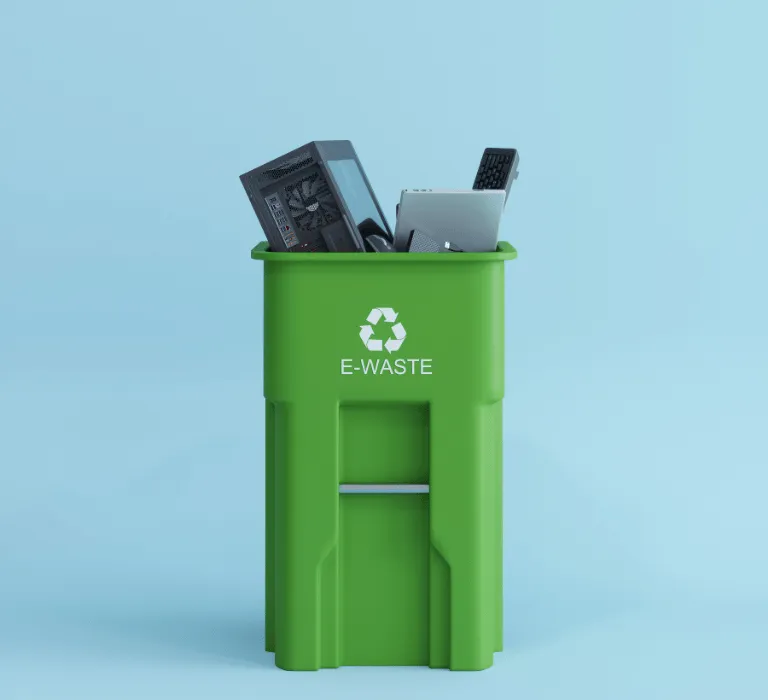

What is an E-Waste Audit?
An E-Waste Audit is a structured assessment carried out by organizations to identify, quantify, and analyze the electronic waste generated during production, operations, or post-consumer use. The audit not only measures the amount of waste but also evaluates how it is handled, stored, recycled, or disposed of. By conducting regular e-waste audits, businesses can ensure compliance with the E-Waste Management Rules, 2016,introduced by the Ministry of Environment, Forest and Climate Change (MoEFCC).
Who Needs an E-Waste Audit?
As per regulatory guidelines, the following entities are responsible for conducting e-waste audits:
- Producers and Manufacturers of electronic goods
- Importers and Brand Owners dealing with electronic products
- Refurbishers and Dismantlers involved in repairing or breaking down electronic devices
- Recyclers engaged in the recovery of valuable components from e-waste
Essentially, any organization involved in producing, handling, or processing electronic goods that may lead to e-waste generation falls under this requirement.
Why is E-Waste Audit Important?
E-Waste is one of the fastest-growing waste streams globally and, if not managed properly, can cause severe harm to the environment and public health. Conducting regular e-waste audits provides multiple benefits:
- Regulatory Compliance - Ensures adherence to national rules and environmental standards.
- Environmental Protection -Prevents hazardous materials such as lead, cadmium, and mercury from contaminating soil and water.
- Resource Recovery - Facilitates the recycling and reuse of metals, plastics, and other valuable materials.
- Sustainability - Encourages industries to adopt eco-friendly production and disposal practices.
- Risk Mitigation - Reduces the chances of penalties, reputational damage, and environmental liabilities.
How is an E-Waste Audit Conducted?
An effective audit typically involves the following steps:
- E-Waste Inventory - Recording all sources and types of e-waste generated.
- Process Review -Studying current collection, storage, dismantling, and disposal practices.
- Compliance Check - Evaluating whether the organization meets the requirements of E-Waste Management Rules.
- Gap Analysis - Identifying areas where e-waste handling needs improvement.
- Recommendations - Suggesting methods to reduce, recycle, and optimize waste management systems.
- Reporting - Preparing a detailed e-waste audit report for submission to regulatory authorities.
